
When we first embarked on this, we thought we might need to jazz up the old sections of the house with paint and carpet, and address the tight-previous kitchen space…among other things!
We’d never imagined that the journey would take us to a complete refit of the old house – brought on by the unexpected ceiling flood during what can only be described as yet-another unplanned rainy Turramurra night, and the fact that crumbling electrics, and giprock gave us little choice. Not only was it never budgeted, it definitely wasn’t planned…nor desired!
We took a deep breath. How could you live in a house with new extension, next to an old area with crumbling walls? Not possible.
Pettit & Sevitt timber and linings were
- Western Red Cedar (exterior cladding)
- Charcoal painted asbestos lining (exterior infill areas above the doors and brick walls unless your home had clerestory windows)
- Gyprock walls, in white – we have used Natural White as Vivid White is generally a base paint without tint, and too ‘blue’ / cool to the eye. Some prefer Antique White USA also from Dulux, or other brand equivalents. Over time, homes have yellowed but cream was generally not used in any of their specifications
- Internal trims were largely Meranti
- Oregon / Douglas Fir structural beams and posts in Acorn oil (Umber or Black were the official colours). Acorn oil no longer exists as it was made by a Sydneysider originally in his backyard, using copper drums, according to Michael Dysart. All the architects specified with it while they could, but equivalent brands came into place, include Dulux, Cabots and others in the 1960s.
- Mission Brown was a colour introduced by Dulux in the late 1960s, and this led to many people repainting their fascias in brown, to save them using an oil as was originally the case.
So the next few posts are about what makes this a 2020 modern house. Let’s start with our walls.

Every wall in the house is now fully insulated to the highest R rating, and put back together with brand new gyprock, a coat of primer and painted in Dulux Lexicon Half. This is a fresher white but only in the kitchen due to the match we needed for our kitchen cabinets.
Elsewhere throughout the house, we have used Natural White as it is softer, less cool and not as ‘thin’. Lexicon Half Strength needs a lot of coats.
Unlike some modern houses, this house never had cedar ceilings in the original section, so nothing has been created where it wasn’t before. This means, we haven’t covered any beams or timber elements with plaster walls, although this is a trend for some who wish to white-out the Sydney School character.
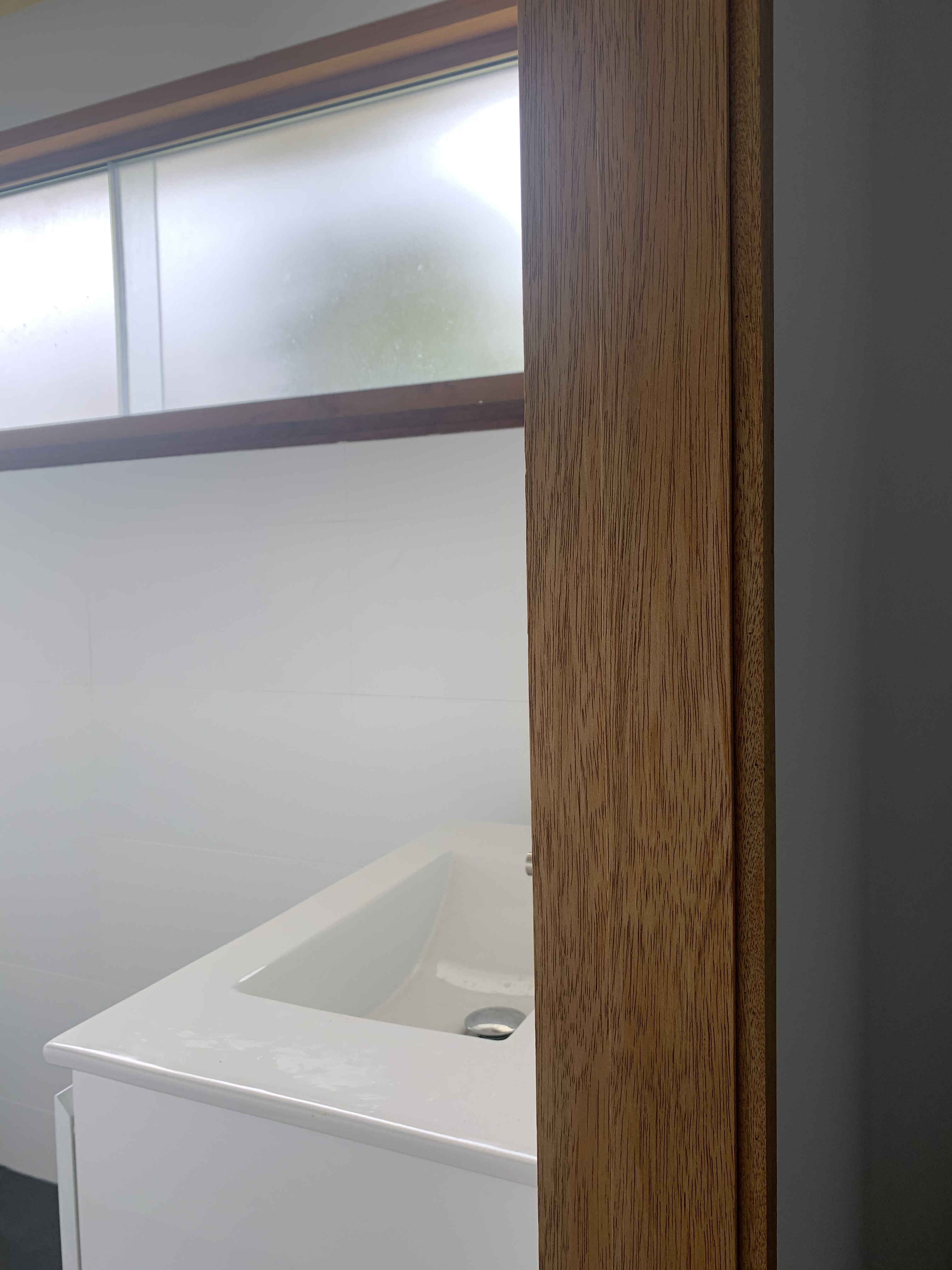
New skirting boards have been re-fitted the same way the originals were made, same shape and height, and same timber. The old ones were too brittle to re-use.
Yes this is really a restoration in the original areas.

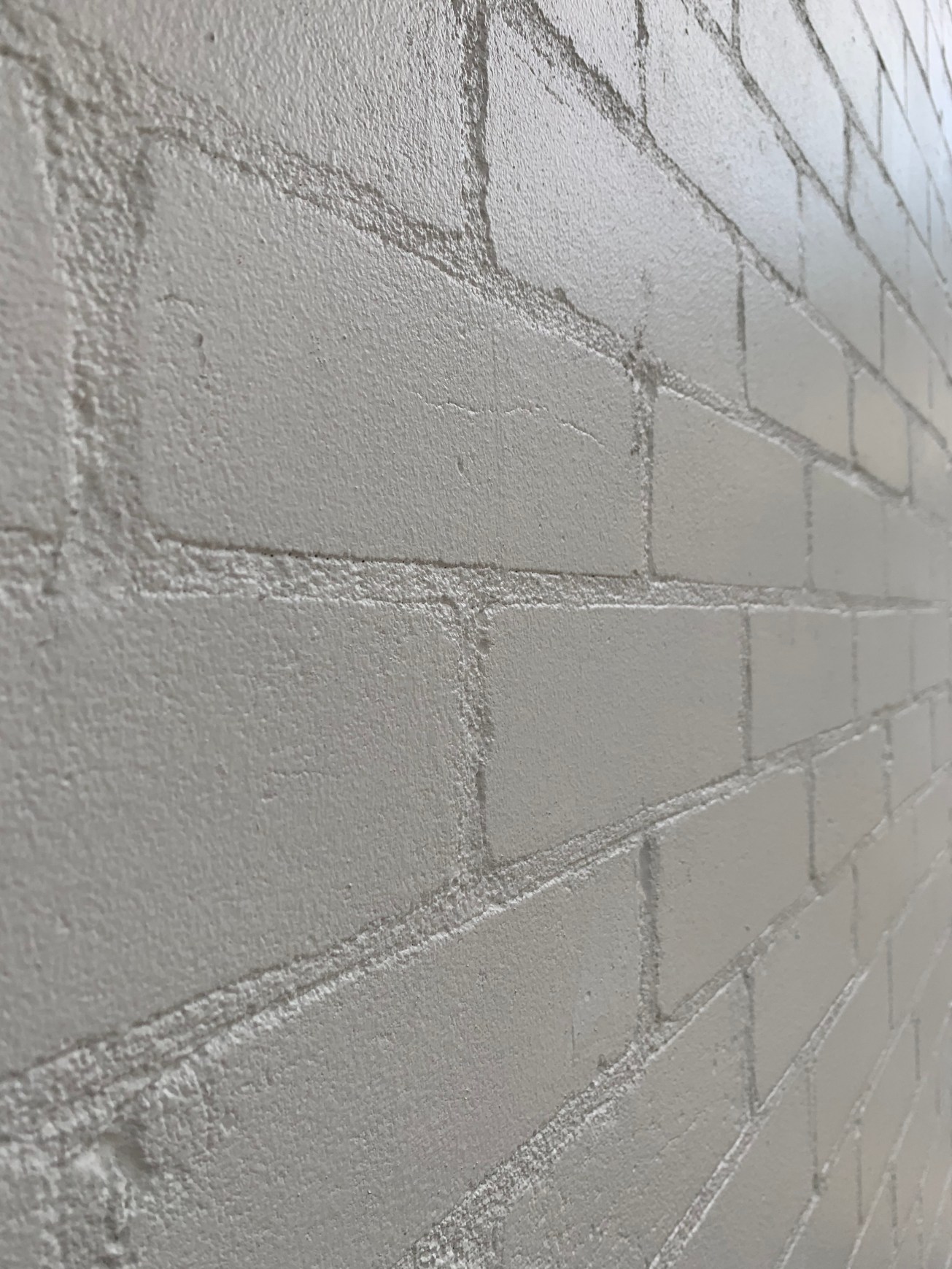
Externally, the original and the extension on the Lowline level (aka ground) remains true to the design with white painted brick. We found the laying of bricks today to be to ‘perfect’ and had to tell the brick layer to loosen it up a bit. We also found that bagged brick today tended to be thick and a bit ghastly, so we asked the bricklayer to leave a light ‘slurry’ to match the original almost-sandy texture, before paint was applied.
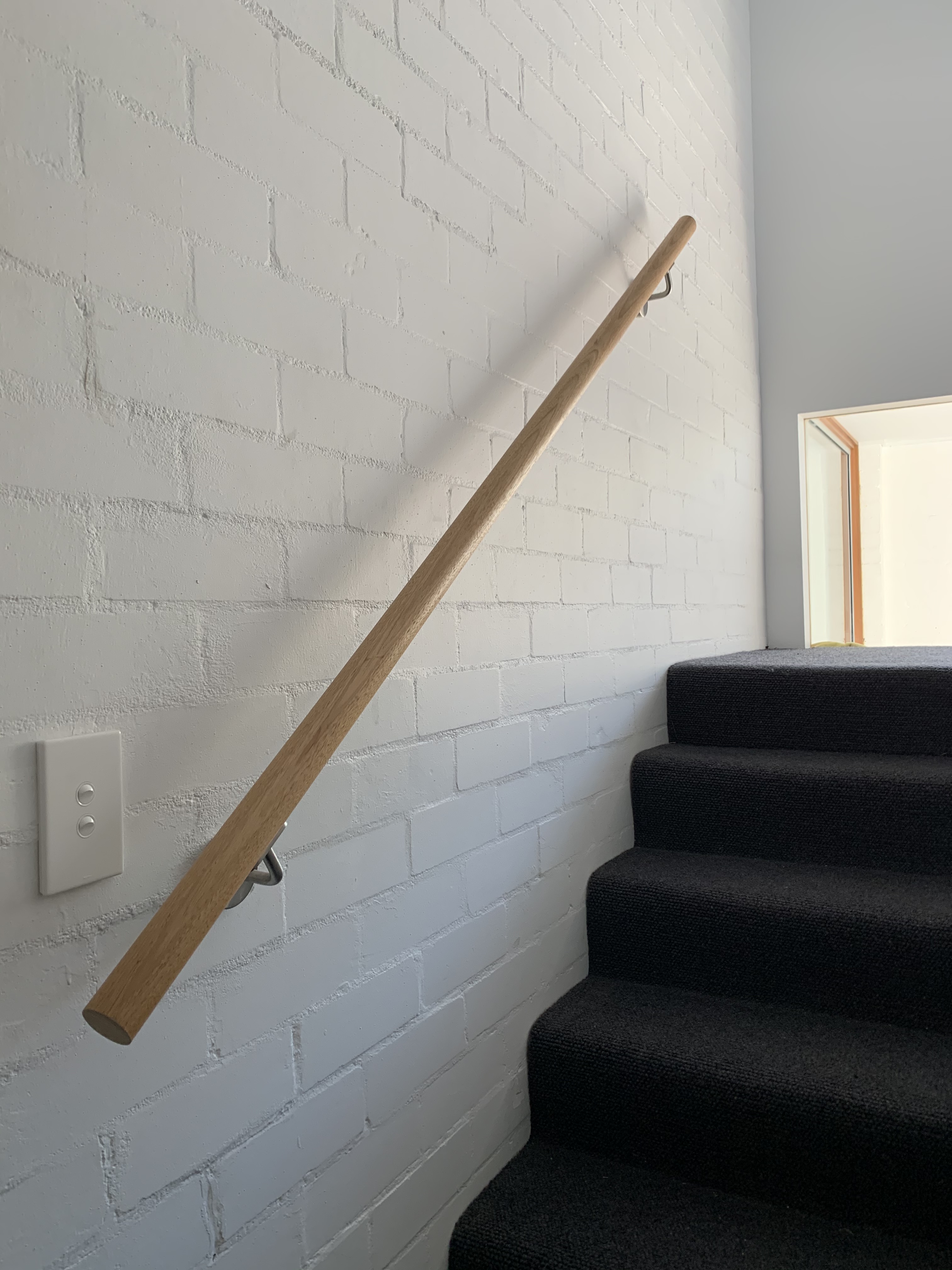

 Sydney House.
what did you paint the brick with? The OG P&S is a lime/cement type white paint (very thick). We are renovating our P&S and have been tossing up bagged vs render vs paint bricks. Similar to yours they are non raked joints. I would have probably left the brick but we can’t match the original dry pressed creams (even though I have cleaned and reclaimed heaps it’s not enough!) we are thinking Dulux Casper white half.
Hi Matt, great comment and thanks for reading. Paint is a huge subject. The method for P&S evolved a little bit over the years, but the consensus among many owners is Dulux Natural White is the most neutral white which is neither cream nor grey/blue. It’s warmer than Vivid base, which is too blue/cool, and it’s not as warm/traditional as Antique White. In our case, the brick treatment came down to matching what we had – as much as we could. Early videos show the bricklaying was done very fast in 1964, therefore, they are more organic looking. Our 21st century brickie was shocked when we asked him to lay the new area ‘less perfectly’. He’d come from a new home builder that was expecting 0.0001m precision and it just looked too sharp. So, once he relaxed, our new walls were also a little more organic. Likewise, we then applied a very light bagging – or slurry finish – not a real bagging as this is often too thick. Then paint. Your house approach to bagging may depend on what’s there currently and the year it was built.
For paint types, our experience with Half and Quarter tones of paint is that you have to paint double as many coats, as the finish is a little thin. We found this out the hard way in the interiors, but luckily was only a challenge in the kitchen with Lexicon Half. The rest is Natural White. So just watch out for that. Casper is warm, leaning to taupe, so it may be a different outcome than a true white when on a large surface. Testing is also a good idea if you have an outdoor wall you can do a 1m x 1m test on, then watch the light change on it over the course of a week and of course it all depends on how faithful you want to be to the architect’s intentions. Good luck! Let us know how you go – would love to see your photos!